
Rehabilitation and corrective exercise in Ashland
Build the strength, control, and confidence to do more of what matters.
Rehabilitation connects the clinical plan to real life. RCC uses focused movement practice to help you build capacity for work, walking, lifting, training, outdoor activity, and the ordinary tasks you want to trust again.
01Start with your goal
02Practice the next useful step
03Progress from real response
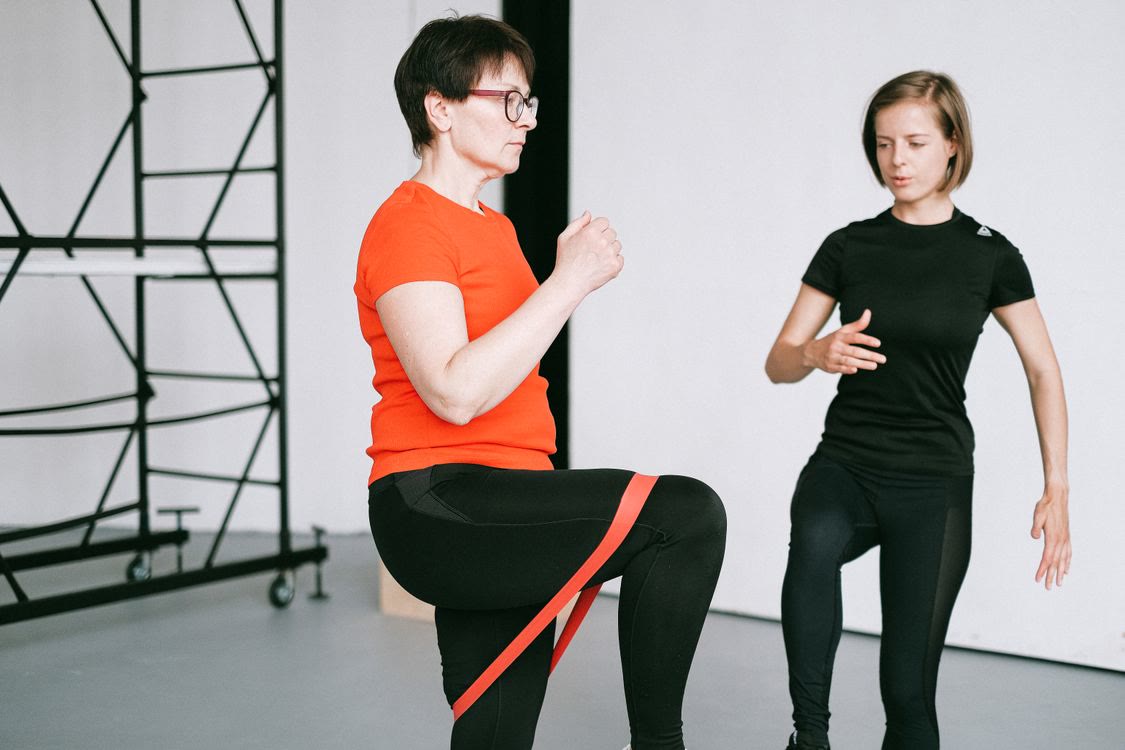
More than an exercise sheet
The plan should fit your body, your starting point, and your life.
A useful rehabilitation plan is not a long generic list or a test of willpower. It identifies the smallest meaningful challenge, makes it understandable, and changes as your capacity changes.
“Corrective exercise” is common shorthand, but RCC does not use it to suggest that your body is defective or that everyone needs perfect posture. The purpose is to practice movement, strength, coordination, and tolerance that support a goal.
A whole-person starting point
Capacity is shaped by more than one muscle or one painful area.
The evaluation helps identify which factors are useful to address now without turning every finding into a problem.
- Strength and repeated-load tolerance
- Mobility and available movement options
- Balance, coordination, and movement confidence
- Work, sport, caregiving, and daily demands
- Pain sensitivity, guarding, and flare patterns
- Sleep, stress, recovery, and realistic follow-through
A practical process
Test. Practice. Progress.
- Test a meaningful task. Connect examination findings to walking, lifting, reaching, stairs, work, sport, or another activity you care about.
- Practice the next useful step. Choose a tolerable movement or loading strategy with a clear reason, dose, and way to modify it.
- Progress from response. Adjust range, resistance, speed, volume, complexity, or recovery based on what is changing.
When rehabilitation may be useful
Use movement to build what the next chapter requires.
- Returning to activity after pain, injury, or a period of reduced movement
- Building strength or tolerance after recurring flare-ups
- Turning a short-term change from hands-on care into usable movement
- Improving balance, coordination, or confidence with a task
- Preparing for work, hiking, lifting, running, recreation, or sport demands
- Creating a realistic home strategy between visits
The right starting point may be small. Progress is not defined by performing the hardest exercise; it is defined by becoming more capable in a way that matters.
How it fits with care
Exercise is often one part of an integrated plan.
Education, self-management, rehabilitation, hands-on care, and selected technologies may each have a role. The combination depends on the presentation rather than a standard package.
Kinesiotape may be used briefly as a cue or support tool when it fits the evaluation, but it is not a standalone care plan.
Current guidelines for persistent musculoskeletal pain emphasize person-centered care, exercise, education, and coordinated combinations of care rather than relying on one passive intervention in isolation.
Common questions
Before your first visit.
Do I need to be athletic or use a gym?
No. Rehabilitation can use body weight, bands, ordinary objects, walking, or task practice. The plan should match your environment and goals.
Should rehabilitation hurt?
Not as a rule. Some symptoms or temporary soreness may occur with loading, but the response should be understood, tolerable, and used to guide the next dose. New or concerning symptoms deserve reassessment.
How much time will home exercises take?
That depends on the goal and starting point. RCC aims for the smallest practical plan that can be performed consistently and progressed when useful.
Can rehabilitation be combined with other care?
Yes. It may be combined with chiropractic care, education, self-management, or selected technology when the combination has a clear purpose.
Keep exploring
Related care and movement goals.
Check before ordinary booking
Some cases need guidance first.
If your visit involves an auto accident, work injury, Medicare, a required referral or authorization, or an unclear insurance path, call or text before ordinary online booking so we can guide you to the appropriate next step.
Do not send health history, symptoms, insurance details, or appointment notes by ordinary text.
Ready to build the next step?
Start with an Initial Visit.
Bring the task, activity, or confidence you want back. RCC will help clarify the starting point and recommend a practical plan when care is appropriate.