Services in Ashland

A practical plan, with the right tools for the job.

You do not need to decide which technique, device, or program you need. We start with what you want to get back to, evaluate the factors that may be limiting you, and recommend a practical next step when care is appropriate.

01Hands-on care when useful

02Movement and rehabilitation

03Technology selected with purpose

Strategy before modality

The service menu should not make you diagnose yourself.

A useful plan starts with your goals, history, preferences, and an appropriate examination. One person may benefit from hands-on care and a simple home strategy. Another may need rehabilitation, selected technology, coordination with another provider, or a different starting point.

The point is not to use every available tool. It is to select the smallest useful set, explain why it is being used, and measure whether it is helping you move toward something meaningful.

Core care and movement

Build capacity with care that fits the clinical picture.

Chiropractic care

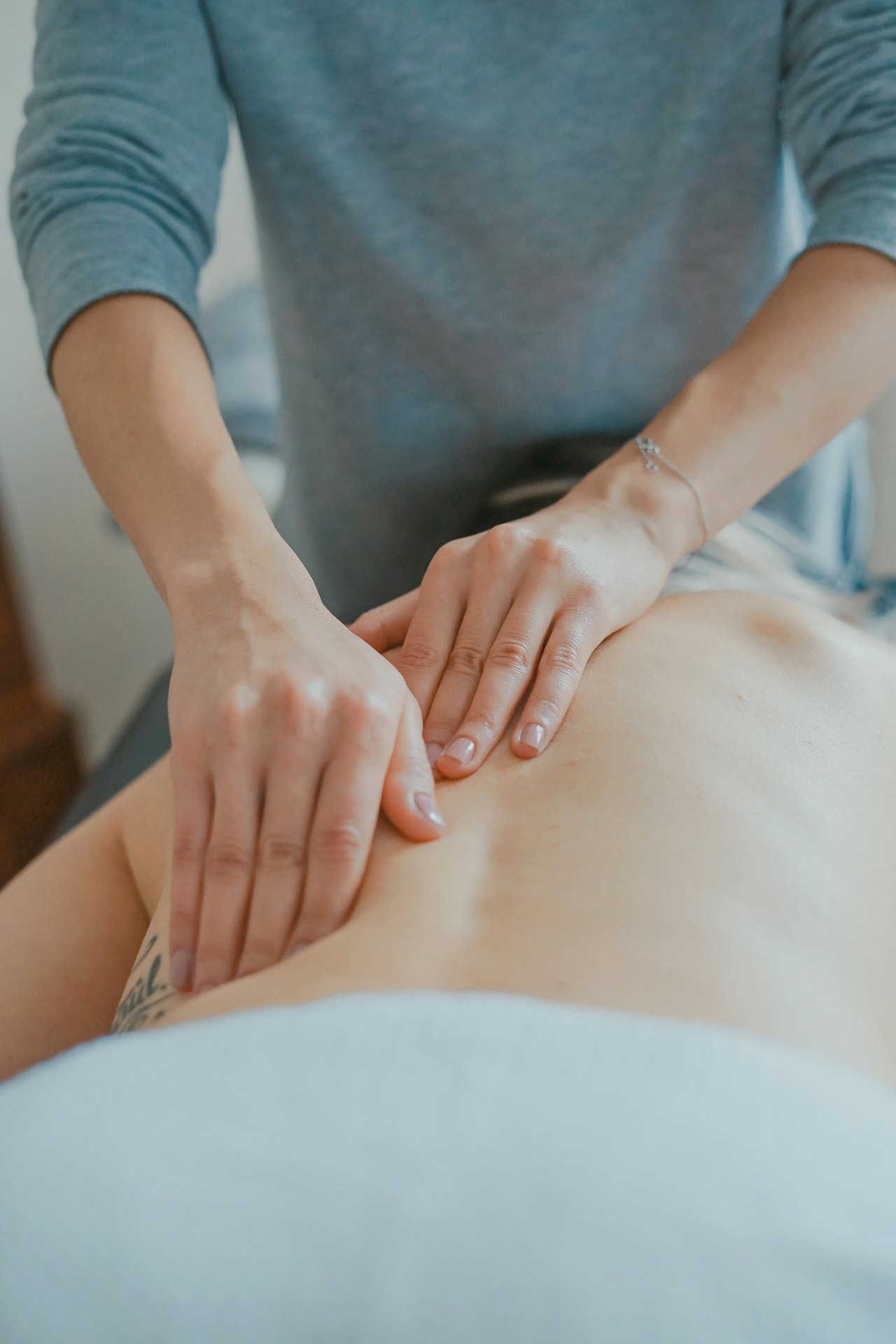
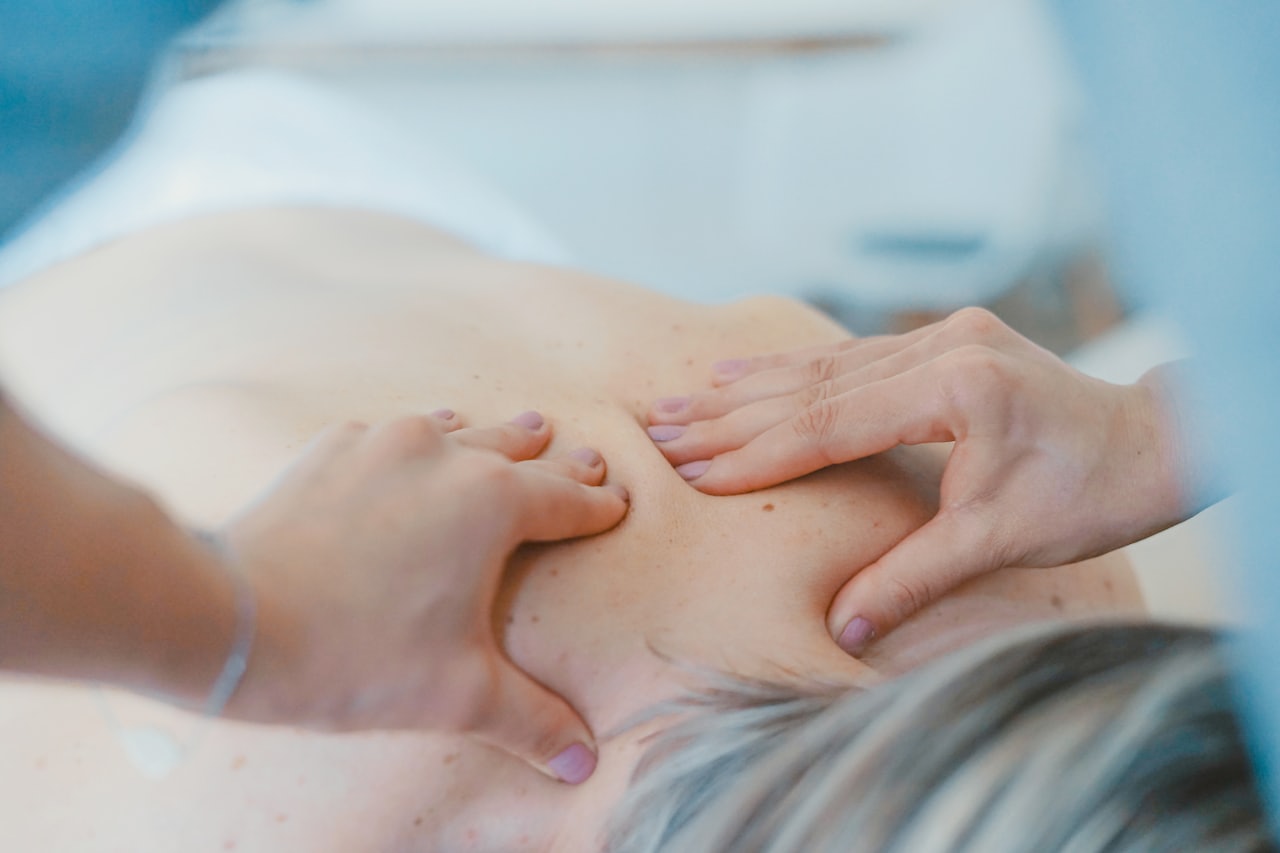
Joint manipulation or mobilization may be used when motion, stiffness, pain, or movement loss appears to be part of the pattern.

Rehabilitation and corrective exercise

Progressive movement can help rebuild capacity, coordination, confidence, and tolerance for meaningful activity.

Gentle chiropractic

Lower-force or preference-sensitive approaches may be considered when they fit the person, the concern, and relevant safety factors.

Flexion distraction

A table-assisted approach that may be considered for selected spinal and movement concerns after evaluation.

Selected technology

Technology is useful when it has a clear role.

A device does not replace clinical reasoning. Technology may support a plan when there is a clear purpose, appropriate fit, and a meaningful way to assess response.

  • Shockwave therapy: may be considered for selected musculoskeletal concerns without promising regeneration or a specific result.
  • Neubie direct current therapy: may be used as one part of movement, neuromuscular, or rehabilitation work when appropriate.
  • Supportive tools: taping, home strategies, and other simple supports may be used when they serve the larger plan.

Structured programs

A program is a process, not a product picked from a list.

For some persistent joint or movement concerns, a more structured plan may be considered after evaluation. That decision depends on fit, goals, relevant safety considerations, and whether the proposed process offers a useful way to measure progress.

You do not need to choose a branded program or decide whether intensive care is appropriate before your first visit.

Check before ordinary booking

Some cases need guidance first.

If your visit involves an auto accident, work injury, Medicare, a required referral or authorization, or an unclear insurance path, call or text before ordinary online booking so we can guide you to the appropriate next step.

Text 541-402-9994

Do not send health history, symptoms, insurance details, or appointment notes by ordinary text.

Ready for a clearer first step?

Start with an Initial Visit.

Bring the activity, capacity, or confidence you want back. RCC will help clarify the concern and recommend the next step when care is appropriate.